
Quick answer
Yes, Seychelles is excellent for snorkeling. Protected marine parks across Mahé, Praslin, and smaller islands offer exceptional visibility—often exceeding 20 meters—alongside granite boulders that create natural channels harboring sea turtles, reef sharks, and dense schools of tropical fish. Water temperatures remain 26-29°C year-round, and the April-May and October-November inter-monsoon windows provide the calmest conditions and best underwater clarity.
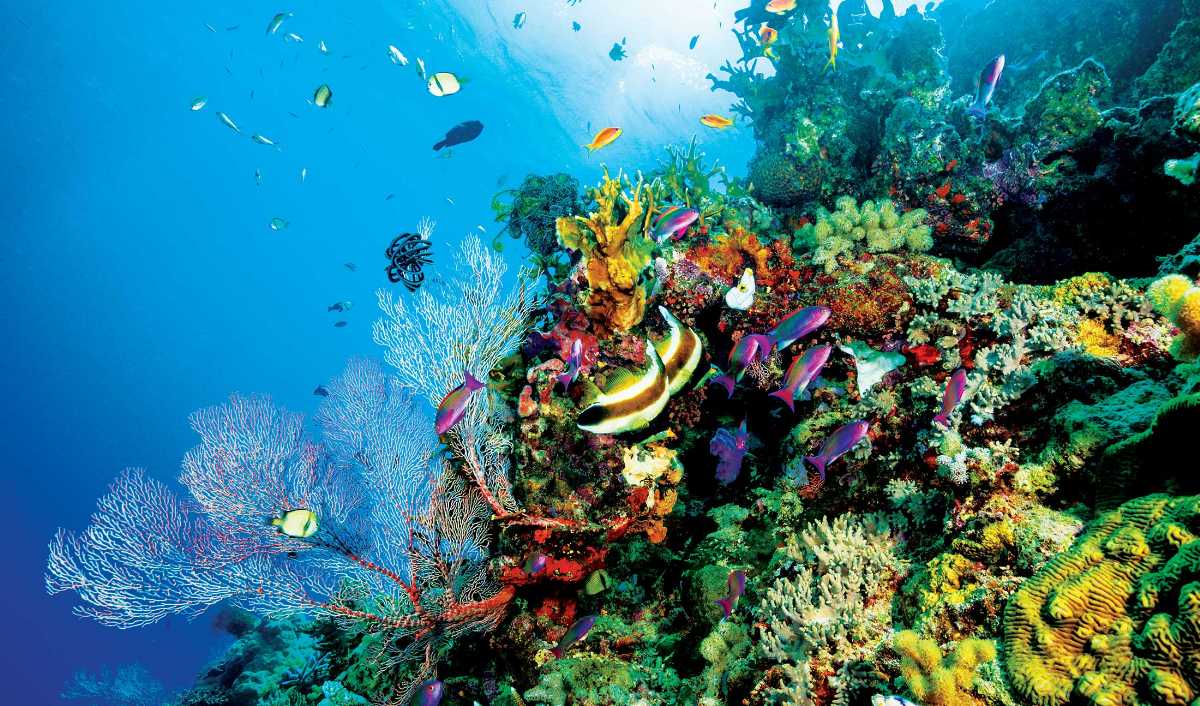
The Seychelles archipelago sits on submerged granite plateaus rather than volcanic cones, producing reef topography unlike anywhere else in the Indian Ocean. Massive boulders tumble into turquoise shallows, forming swim-throughs and overhangs where parrotfish, Napoleon wrasse, and moray eels shelter. Eight designated marine parks enforce strict no-take zones, allowing fish populations to recover to densities rarely seen in unprotected waters. Visibility determines the quality of any snorkeling session. During the southeast monsoon—May through September—trade winds churn surface water and reduce clarity to 10-15 meters. The northwest monsoon, December through March, brings afternoon thunderstorms that stir sediment. The two inter-monsoon periods—April to May and October to November—deliver the most reliable conditions: flat seas, minimal runoff, and visibility that regularly exceeds 20 meters. Morning sessions between 08:00 and 11:00 capture the lowest tides and the angle of light that best illuminates the reef. Marine park regulations require a daily conservation fee of 300 SCR per non-resident adult at sites like Curieuse, Sainte Anne, and Baie Ternay. Rangers patrol entrances at managed sites; independent access is permitted at unmanaged beaches, though the same fee applies if you enter a designated park boundary underwater. Snorkeling Seychelles reefs means navigating these access rules while targeting the right tidal and seasonal windows. Granite reefs lack the fragility of coral atolls, so moderate surge poses less risk to the ecosystem. That resilience extends to snorkelers: rocky drop-offs provide handholds in current, and the abundance of shallow lagoons inside the barrier reefs gives beginners protected practice zones. Hawksbill and green turtles forage on seagrass beds within sight of shore, and blacktip reef sharks patrol the edges where the shelf drops into blue water. The question is not whether Seychelles rewards snorkeling, but which combination of site, season, and tide will deliver the encounter you came for.
“Granite boulders tumble into turquoise shallows, forming swim-throughs and overhangs where parrotfish, Napoleon wrasse, and moray eels shelter.”
When Is Seychelles Good for Snorkeling: Weather and Seasonal Clarity
The best window for snorkeling in Seychelles occurs during the transition months of April, May, October, and November when trade winds are calmest. These periods offer the highest water clarity and favorable conditions for reef exploration.
April to May
Moderate crowdsCalm seas, 28°C to 30°C
Transition period between trade winds provides excellent underwater visibility.
October to November
Moderate crowdsStable conditions, 27°C to 29°C
Light winds and clear water make this an ideal time for snorkeling.
Weekday mornings
Low crowd density—
The best arrival window is 08:00–11:00 for optimal water clarity and lower tide conditions for safer reef access.
Verdict: For the clearest water and safest reef access, plan your visit during the transition months of April or October, specifically arriving within the 08:00–11:00 window.
Daily Operational Hours for Seychelles Snorkeling Trips
Marine National Parks in Seychelles operate on a consistent daily schedule. Visitors are encouraged to arrive during the designated morning window to ensure optimal water conditions.
| Monday | 08:00–17:00 | |
|---|---|---|
| Tuesday | 08:00–17:00 | |
| Wednesday | 08:00–17:00 | |
| Thursday | 08:00–17:00 | |
| Friday | 08:00–17:00 | |
| Saturday | 08:00–17:00 | |
| Sunday | 08:00–17:00 |
Essential Preparation: Is Seychelles Good for Snorkeling Safely
Snorkeling in Seychelles requires sun protection, appropriate gear, and awareness of marine park conservation rules to ensure both safety and reef preservation.
-
Apply reef-safe sunscreen before arrival — Chemical sunscreens damage coral; use mineral-based alternatives.
-
Bring or rent properly fitting snorkel gear — Ill-fitting masks flood easily and compromise visibility in deeper reef zones.
-
Pack a rash guard or wetsuit — Protects against sun exposure and jellyfish during extended water time.
-
Carry cash for marine park fees — The 300 SCR conservation fee per adult is required at protected sites like Curieuse.
-
Review no-touch reef guidelines before entry — Standing on or touching coral causes irreversible damage to fragile ecosystems.
-
Arrive during the 08:00–11:00 window — Optimal water clarity and lower tides provide safer access to reef areas.
-
Confirm weather and current conditions — Sudden swells or reduced visibility can make snorkeling hazardous.
Check availability
Frequently asked questions: is seychelles good for snorkeling
Everything you need to know about is seychelles good for snorkeling