Quick answer
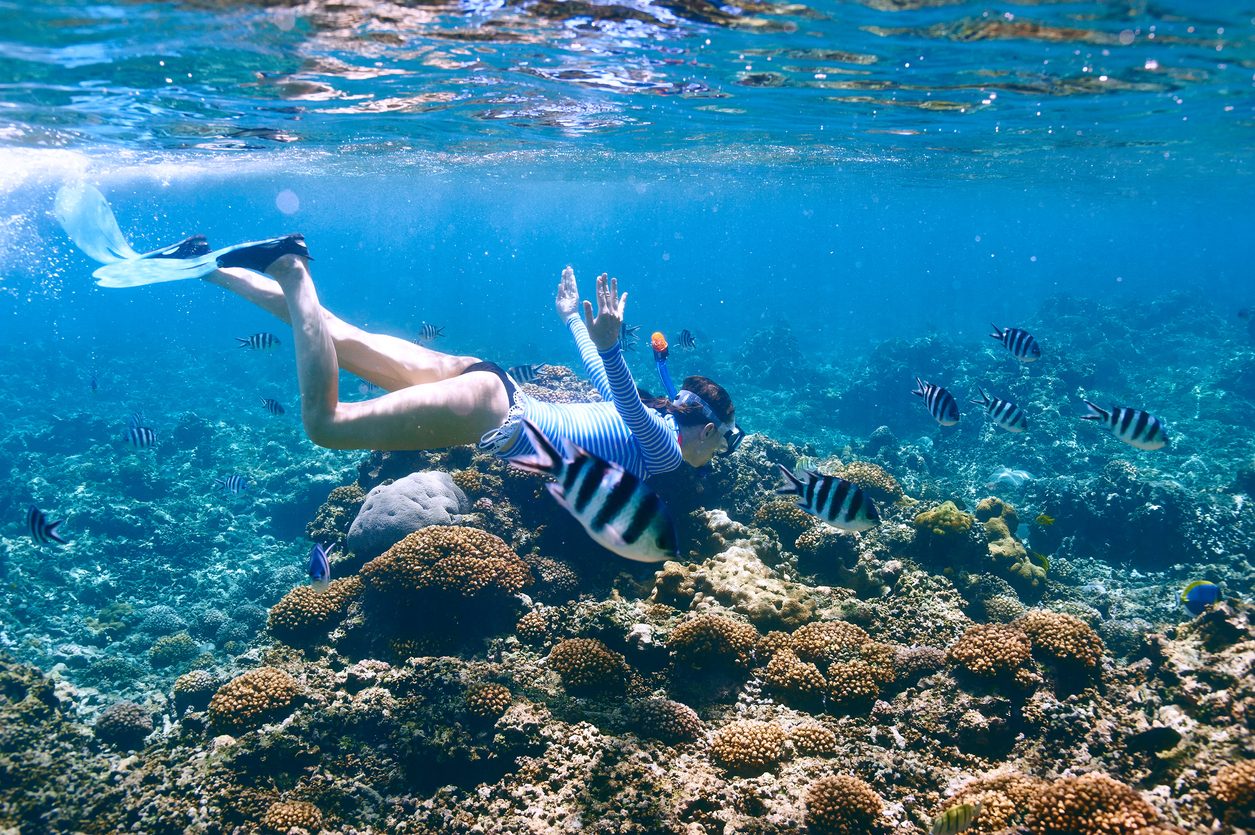
Snorkeling Seychelles fish populations include over 900 species concentrated in six marine national parks. Ste Anne Marine National Park near Mahé offers the most accessible encounters with parrotfish, butterflyfish, surgeonfish, and Moorish idols across shallow coral gardens. Morning sessions between 08:00 and 12:00 deliver optimal water clarity for identifying species, while the 200 SCR conservation fee grants day access to protected zones where feeding and coral contact are prohibited.
Granite boulders submerged beneath the Indian Ocean create natural amphitheaters where reef fish congregate in densities rarely matched across tropical archipelagos. The Seychelles inner islands rest on a shallow plateau that traps nutrients and sustains coral ecosystems hosting parrotfish grazing on algae, angelfish patrolling crevices, and groupers stationed beneath overhangs. Ste Anne Marine National Park functions as the primary staging ground for underwater fish observation due to its proximity to Mahé and enforcement of no-take fishing zones since 1973. The park's six islands are ringed by seagrass meadows transitioning into coral slopes where butterflyfish pair off territorially and damselfish defend nesting sites with visible aggression. Hawksbill turtles cruise the shallows, while schools of fusiliers form silver walls above the reef edge. Boxfish drift through elkhorn coral formations, and octopuses emerge from lairs at dawn. Identifying species requires attention to behavioral cues rather than size alone. Trumpetfish align vertically with gorgonians to ambush prey. Cleaner wrasses operate stations where larger fish queue for parasite removal. Triggerfish excavate sand plumes while hunting crustaceans, and unicornfish travel in loose aggregations that shift direction without apparent coordination. The granite substrate distinguishes Seychelles reefs from the carbonate platforms that dominate other Indian Ocean destinations. Boulder fields create a three-dimensional habitat where snorkeling Seychelles fish inhabit multiple depth strata within arm's reach. Sergeant majors guard egg patches on vertical rock faces, while sweetlips shelter in cavities during daylight hours before dispersing at dusk. Water temperature remains above 26°C year-round, sustaining continuous reproductive cycles and ensuring juvenile recruitment across seasons. Plankton blooms during the northwest monsoon reduce visibility but trigger feeding frenzies among pelagic hunters. The Seychelles Fishing Authority enforces species-specific protections, and spearfishing remains banned within marine park boundaries to preserve population structure across trophic levels.
“Granite boulders submerged beneath the Indian Ocean create natural amphitheaters where reef fish congregate in densities rarely matched across tropical archipelagos.”
Best Time for Observing Snorkeling Seychelles Fish
The best arrival window is 08:00–12:00, providing optimal water clarity, calm seas, and superior light for viewing fish species. Seasonal timing is primarily dictated by the shift of the trade winds.
April to May
Low to ModerateCalm seas, 28°C–30°C
Transition period between monsoons often provides the clearest underwater visibility.
October to November
Low to ModerateCalm seas, 27°C–29°C
Light winds and stable conditions favor consistent snorkeling observations.
June to September
ModerateBreezy, 25°C–27°C
Southeast trade winds can increase surface chop, occasionally affecting visibility.
December to March
HighHumid, 27°C–30°C
Northwest trade winds bring warmer air but can lead to increased rainfall.
Verdict: The optimal time for snorkeling is between 08:00–12:00 during the calm transition months of April, May, October, or November.
Notable Marine Zones for Snorkeling Seychelles Fish
Ste Anne Marine National Park protects a diverse coral reef ecosystem that serves as a primary habitat for hundreds of fish species. Snorkelers can observe a variety of reef inhabitants within these sheltered, shallow waters.
Cerf Island Reef
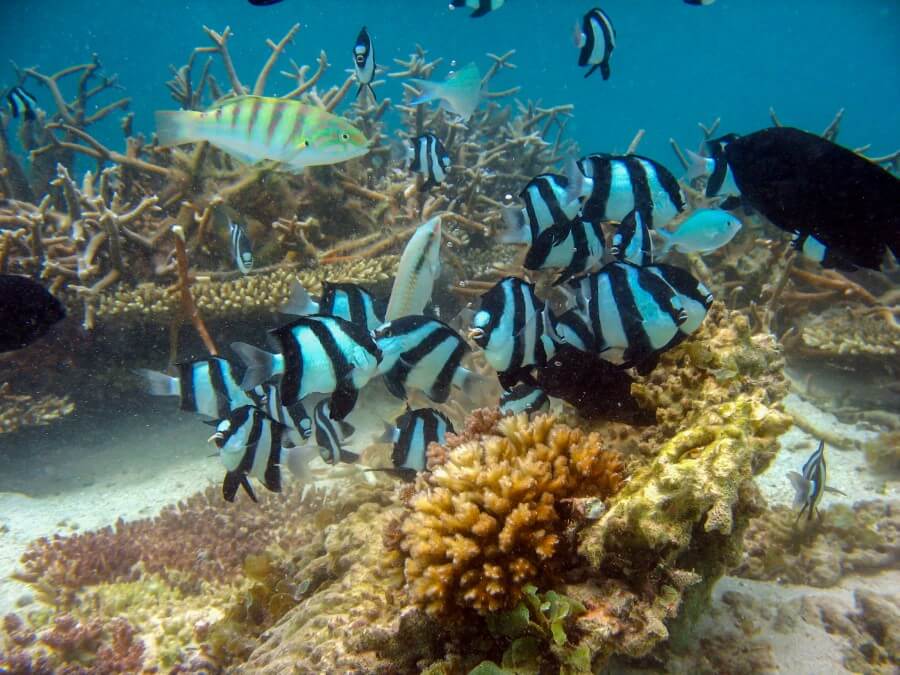
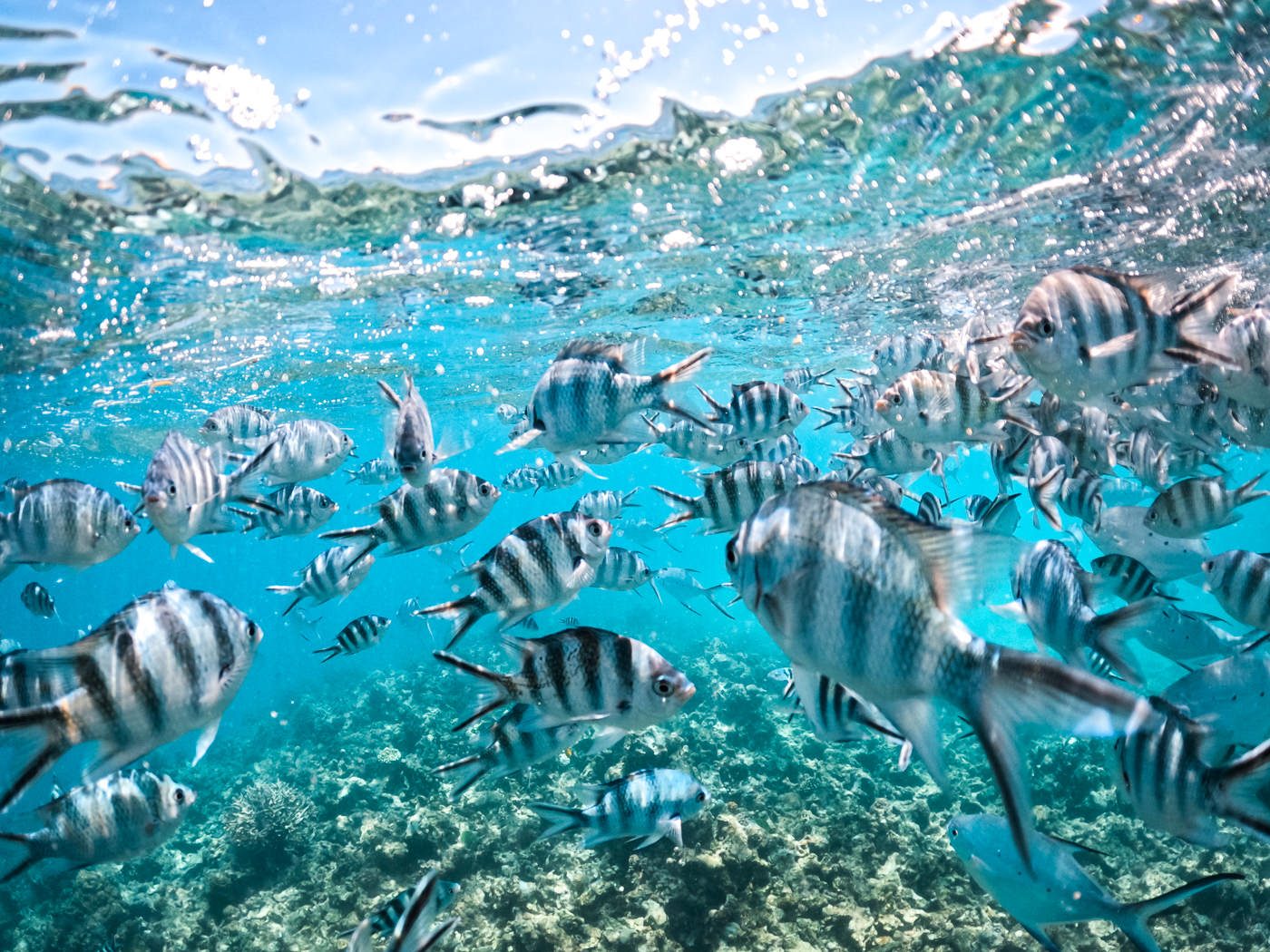
This area features extensive coral plateaus where parrotfish and surgeonfish are frequently observed grazing on the reef.
Look for movement near branching corals during low tide cycles.
Moyenne Island Shallows
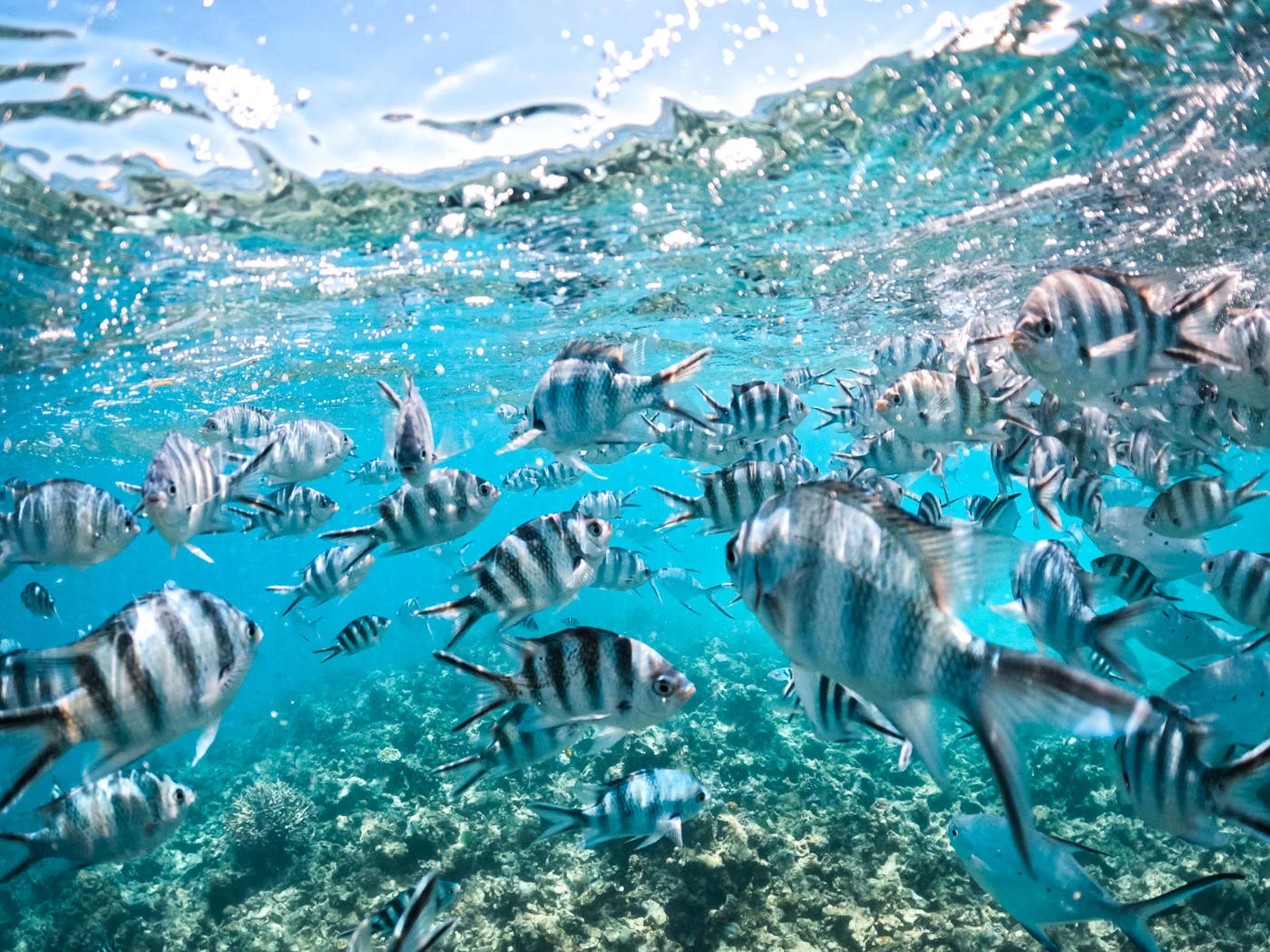
The rocky outcrops around this island attract schools of fusiliers and damselfish seeking shelter from currents.
Stay close to the granite boulders to spot camouflaged groupers.
Ste Anne Channel
The currents passing through this channel bring in nutrient-rich water, supporting larger species like jacks and occasionally reef sharks.
Drift slowly with the current to observe patrolling predatory fish.
Round Island Coral Gardens
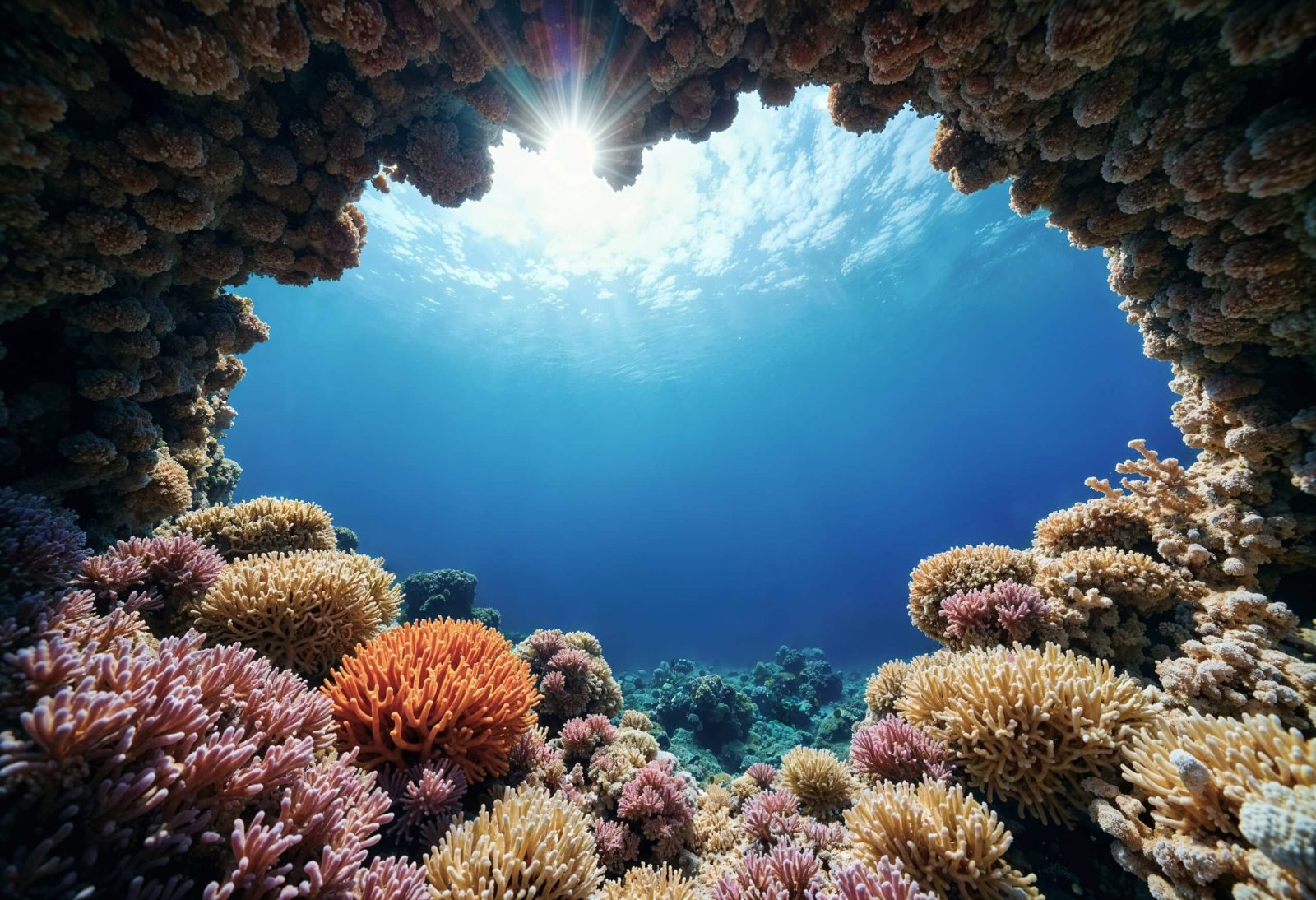
These protected gardens host high densities of butterflyfish and wrasse among the hard coral structures.
Scan the coral crevices to identify smaller reef fish species.
Getting to Snorkeling Seychelles Fish Locations
Ste Anne Marine National Park is located near Mahé and is accessible exclusively via maritime transport. Most visitors depart from the main port facilities on Mahé to reach the snorkeling zones.
Departure from Marine Charter Association pier, Mahé
Travel to Victoria waterfront or Marine Charter Association
Operating Hours for Snorkeling Seychelles Fish Access
Ste Anne Marine National Park operates on a consistent daily schedule to provide access for snorkeling and marine observation.
| Monday | 08:00–17:00 | |
|---|---|---|
| Tuesday | 08:00–17:00 | |
| Wednesday | 08:00–17:00 | |
| Thursday | 08:00–17:00 | |
| Friday | 08:00–17:00 | |
| Saturday | 08:00–17:00 | |
| Sunday | 08:00–17:00 |
Responsible Snorkeling Seychelles Fish Etiquette
Ste Anne Marine National Park protects fragile coral ecosystems and resident fish populations that depend on undisturbed habitat. Following these guidelines prevents physical damage to coral structures and minimizes stress to marine life.
Do
- Maintain at least one meter distance from all coral formations
- Keep fins horizontal and controlled to avoid contact with the reef
- Float motionless when observing fish to encourage natural behavior
- Report any injured marine life to park rangers immediately
- Use reef-safe sunscreen without oxybenzone or octinoxate
- Secure all equipment before entering the water
Don't
- Touch, stand on, or grab coral regardless of whether it appears alive
- Chase, corner, or attempt to hand-feed any fish species
- Collect shells, sand, or any biological material from the park
- Wear gloves, which increase the likelihood of touching coral
- Stir up sediment by dragging fins along the seabed
- Approach sea turtles closer than three meters
Check availability
Frequently asked questions about snorkeling seychelles fish
Everything you need to know about snorkeling seychelles fish